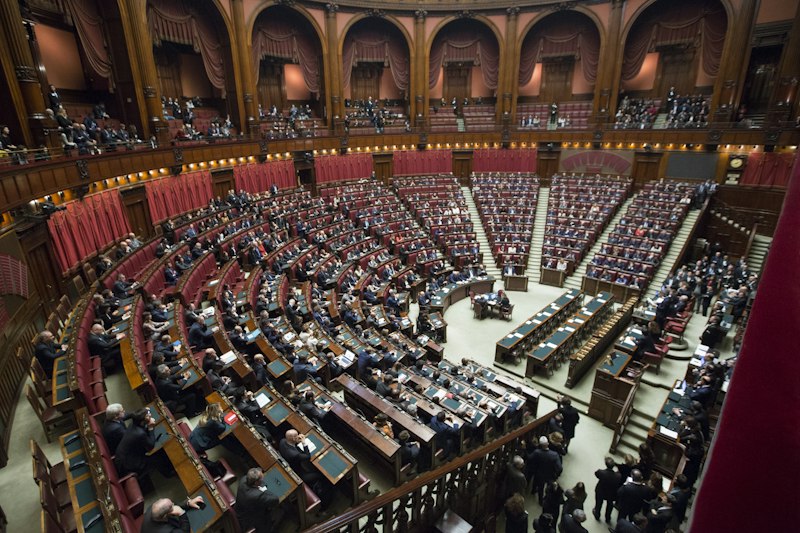


The Economic Community of West African States Parliament has passed a landmark resolution calling for the accelerated introduction of the Eco, the proposed West African single currency, with a revised target date of 2029 — a significant step forward after years of delays.
The resolution, passed by 87 votes to 12 at the ECOWAS Parliament session in Abuja, calls on member states to meet the convergence criteria for monetary union by the end of 2027, allowing two years for the technical implementation of the currency.
The convergence criteria require member states to maintain single-digit inflation, a fiscal deficit of no more than 3% of GDP, a debt-to-GDP ratio below 70%, and gross external reserves covering at least three months of imports. Currently, only Ghana, Côte d'Ivoire, and Senegal fully meet all four criteria.
Ghana's representative to the ECOWAS Parliament, Dr. Akosua Asante, welcomed the resolution but cautioned that political will would be the decisive factor. "We have passed resolutions before. What matters now is implementation. Every member state must make the hard fiscal choices required," she said.
The West African Monetary Institute, which has been preparing the technical groundwork for the Eco since 2000, said the 2029 target was "ambitious but achievable" if member states maintained their current reform trajectories.
Nigeria, the region's largest economy, has historically been the biggest obstacle to monetary union, with concerns about losing monetary policy sovereignty. The Nigerian Central Bank Governor indicated cautious support for the revised timeline, saying Nigeria was "committed to the process" but would not compromise on the convergence criteria.
The introduction of the Eco would create a currency union covering 400 million people and a combined GDP of over $800 billion, making it one of the world's largest monetary unions.